

What is the return on investment for street lighting projects? This is a question that many municipalities, urban planners, and business owners often grapple with when considering upgrading or installing new street lighting systems. As a street lighting supplier, I've witnessed firsthand the transformative power of well - designed and energy - efficient street lighting, and I'm here to break down the various aspects of the return on investment (ROI) for such projects.
1. Energy Savings
One of the most immediate and tangible returns on investment in street lighting projects is energy savings. Traditional street lighting technologies, such as high - pressure sodium (HPS) lamps, are known for their high energy consumption. These lamps operate at relatively low efficiency, converting a significant portion of the electrical energy into heat rather than light.
In contrast, modern LED street lighting offers remarkable energy efficiency. LEDs can convert up to 80% of the electrical energy into light, resulting in substantial energy savings. For example, a municipality that replaces its old HPS street lights with LED fixtures can expect to reduce energy consumption by up to 50% or more. This reduction in energy usage directly translates into lower electricity bills. Over the lifespan of the LED street lights, which can be up to 100,000 hours or more, the cumulative energy savings can be quite substantial.
Let's consider a simple example. Suppose a city has 10,000 street lights, each consuming 150 watts of electricity. If these lights are on for 12 hours a day, the total daily energy consumption is 10,000 * 150 * 12 / 1000 = 18,000 kilowatt - hours (kWh). Assuming an electricity cost of $0.15 per kWh, the daily electricity cost is $2,700. If these lights are replaced with LED lights that consume only 75 watts each, the new daily energy consumption is 10,000 * 75 * 12 / 1000 = 9,000 kWh, and the new daily electricity cost is $1,350. This results in a daily savings of $1,350, or approximately $492,750 per year.
2. Maintenance Savings
Another significant factor contributing to the ROI of street lighting projects is maintenance savings. Traditional street lighting systems often require frequent maintenance due to the relatively short lifespan of the lamps. For instance, HPS lamps typically have a lifespan of around 24,000 hours, which means they need to be replaced every few years. This replacement process involves labor costs, the cost of the new lamps, and the cost of any associated equipment.
LED street lights, on the other hand, have a much longer lifespan. As mentioned earlier, they can last up to 100,000 hours or more. This means that the frequency of lamp replacements is significantly reduced. In addition, LED lights are more robust and less prone to damage from environmental factors such as vibrations and temperature fluctuations. As a result, the overall maintenance requirements for LED street lighting systems are much lower.
The reduction in maintenance frequency not only saves on the cost of replacement parts but also on labor costs. Fewer lamp replacements mean less time spent by maintenance crews on the streets, which can lead to significant savings over time. For example, a city that previously spent $500,000 per year on street light maintenance may see that cost drop to $100,000 or less after switching to LED street lights.
3. Improved Safety and Security
Street lighting plays a crucial role in enhancing safety and security in urban and rural areas. Well - lit streets make it easier for pedestrians to navigate, reducing the risk of accidents such as trips and falls. Adequate lighting also deters criminal activities by increasing visibility. Studies have shown that areas with proper street lighting experience lower crime rates, including theft, vandalism, and assault.
The improved safety and security provided by better street lighting can have a positive impact on the local economy. Businesses are more likely to thrive in well - lit areas, as customers feel safer visiting these locations. Property values in areas with good street lighting also tend to be higher. For example, a commercial district that invests in high - quality street lighting may attract more businesses, leading to increased economic activity and higher tax revenues for the local government.
4. Environmental Benefits
In today's world, environmental sustainability is a growing concern. Street lighting projects that use energy - efficient LED technology can have a significant positive impact on the environment. By reducing energy consumption, LED street lights help to lower greenhouse gas emissions. The production and disposal of traditional lighting technologies also have a larger environmental footprint compared to LEDs.
LEDs are more environmentally friendly in terms of their manufacturing process, as they require less energy and fewer raw materials. In addition, they do not contain hazardous substances such as mercury, which is present in many traditional lighting sources. The environmental benefits of LED street lighting can enhance a city's or municipality's reputation as a sustainable and environmentally conscious community.
5. Aesthetic and Community Appeal
Good street lighting can also enhance the aesthetic appeal of a community. Modern LED street lights come in a variety of designs and colors, allowing for creative and customized lighting solutions. For example, during the holiday season, municipalities can install Large Outdoor Christmas Decoration Street Light to create a festive atmosphere. These decorative lights can attract tourists and boost local businesses.
Lighting Painting Christmas Wall Decoration can be used to add a unique touch to the streets, making the community more attractive and inviting. Similarly, 2D Street Motif Light For Project can be incorporated into street lighting projects to create a more engaging and visually appealing environment.
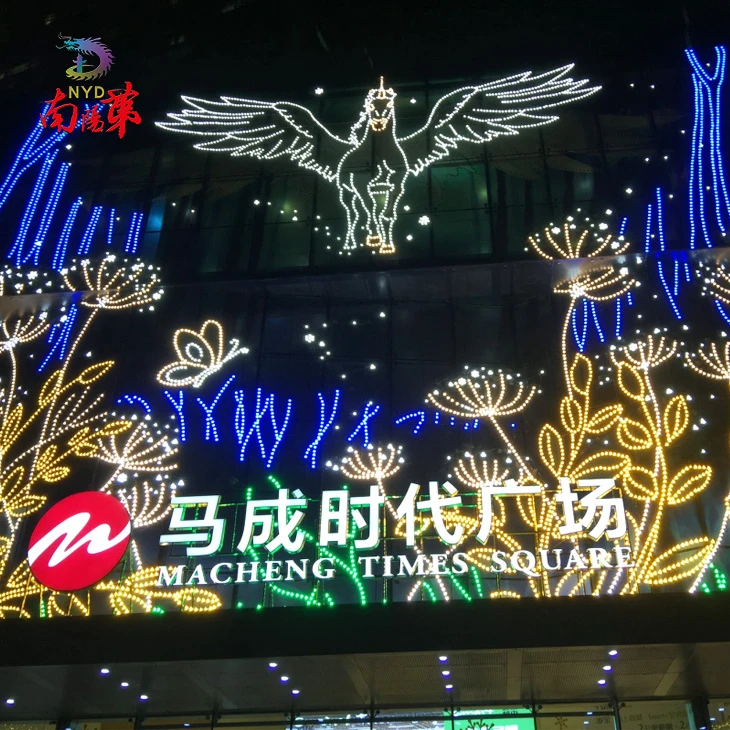
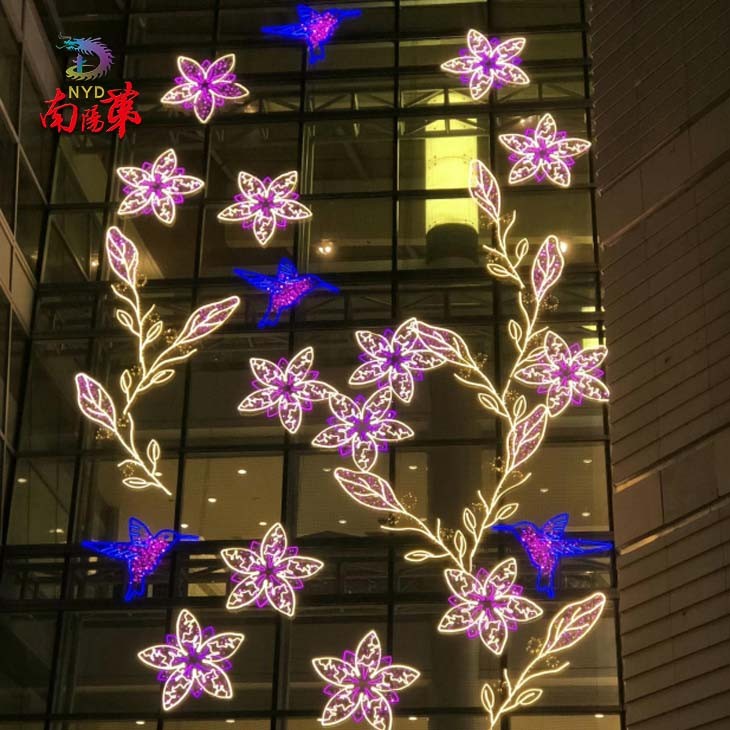
The enhanced aesthetic appeal of the community can lead to increased tourism, which in turn can generate additional revenue for local businesses and the government. It can also improve the quality of life for residents, making the community a more desirable place to live.
Contact for Procurement
If you're considering a street lighting project and want to learn more about the potential return on investment, we'd love to hear from you. Our team of experts can provide you with detailed information about our products, including energy - efficient LED street lights, and help you calculate the ROI for your specific project. Whether you're a municipality, a business owner, or an urban planner, we have the solutions to meet your street lighting needs. Reach out to us to start a procurement discussion and take the first step towards a more efficient, safe, and beautiful community.
References
- "Energy - Efficient Lighting Technologies: A Guide for Municipalities." U.S. Department of Energy.
- "The Impact of Street Lighting on Crime and Safety." Journal of Urban Planning and Development.
- "LED Lighting: A Sustainable Solution for Street Lighting Projects." International Journal of Energy and Environmental Engineering.