

As a supplier of LED Christmas trees, one of the most frequently asked questions I encounter is whether these festive decorations consume a lot of electricity. In this blog post, I'll delve into the science behind LED technology, compare it with traditional lighting options, and provide practical insights to help you make an informed decision.
Understanding LED Technology
LED, which stands for Light - Emitting Diode, is a semiconductor device that emits light when an electric current passes through it. Unlike traditional incandescent bulbs, which produce light by heating a filament until it glows, LEDs generate light through a process called electroluminescence. This fundamental difference in how light is produced results in several key advantages, including energy efficiency.

When it comes to energy consumption, LEDs are incredibly efficient. They convert a high percentage of the electrical energy they consume into light, rather than wasting it as heat. In contrast, incandescent bulbs convert only about 10% of the energy into light, with the remaining 90% being dissipated as heat. This inefficiency not only makes incandescent bulbs more expensive to operate but also poses a fire hazard, especially when used on Christmas trees.
Energy Consumption Comparison
Let's take a closer look at the energy consumption of LED Christmas trees compared to those decorated with traditional incandescent lights. A typical string of incandescent Christmas lights might consume around 40 - 100 watts per 100 bulbs, depending on the size and type of the bulbs. On the other hand, a similar string of LED Christmas lights usually consumes only 2 - 7 watts per 100 bulbs.
To put this into perspective, let's assume you have a medium - sized Christmas tree that requires 500 lights to be fully decorated. If you use incandescent lights, you could be looking at an energy consumption of 200 - 500 watts. In contrast, if you opt for LED lights, the energy consumption would be in the range of 10 - 35 watts. This significant difference in energy usage can result in substantial savings on your electricity bill, especially if you keep your Christmas tree illuminated for long periods.
Lifespan and Cost - Effectiveness
In addition to lower energy consumption, LED Christmas trees also offer a much longer lifespan compared to those with incandescent lights. Incandescent bulbs typically have a lifespan of around 1,000 hours, while LEDs can last up to 50,000 hours or more. This means that you won't have to replace the bulbs as frequently, saving you both time and money in the long run.
The initial cost of LED Christmas trees or LED light strings might be higher than their incandescent counterparts. However, when you factor in the energy savings and the longer lifespan, LEDs are a more cost - effective option over time. You'll not only save on electricity bills but also on the cost of constantly replacing burnt - out bulbs.
Environmental Impact
Another important aspect to consider is the environmental impact of your lighting choice. LED lights are more environmentally friendly than incandescent lights due to their lower energy consumption. By using less electricity, they reduce the demand for fossil fuels and lower greenhouse gas emissions associated with electricity generation. Additionally, LEDs do not contain hazardous materials such as mercury, which is found in some other types of lighting, making them easier to dispose of responsibly.
Practical Tips for Reducing Energy Consumption
Even though LED Christmas trees are already energy - efficient, there are still some practical steps you can take to further reduce energy consumption:
- Use a Timer: Set a timer to turn your Christmas tree lights on and off at specific times. This way, you can ensure that the lights are only on when you're actually enjoying them, rather than leaving them on all day and night.
- Dim the Lights: Some LED Christmas lights come with dimming options. By dimming the lights, you can reduce energy consumption while still creating a warm and festive atmosphere.
- Choose the Right Size and Type of Tree: Opt for a tree size that is appropriate for your space. A smaller tree will require fewer lights, resulting in lower energy consumption. Also, consider the type of tree; for example, a Lighted Ribbon Christmas Tree might have a more efficient lighting design.
Large Decorated LED Christmas Trees
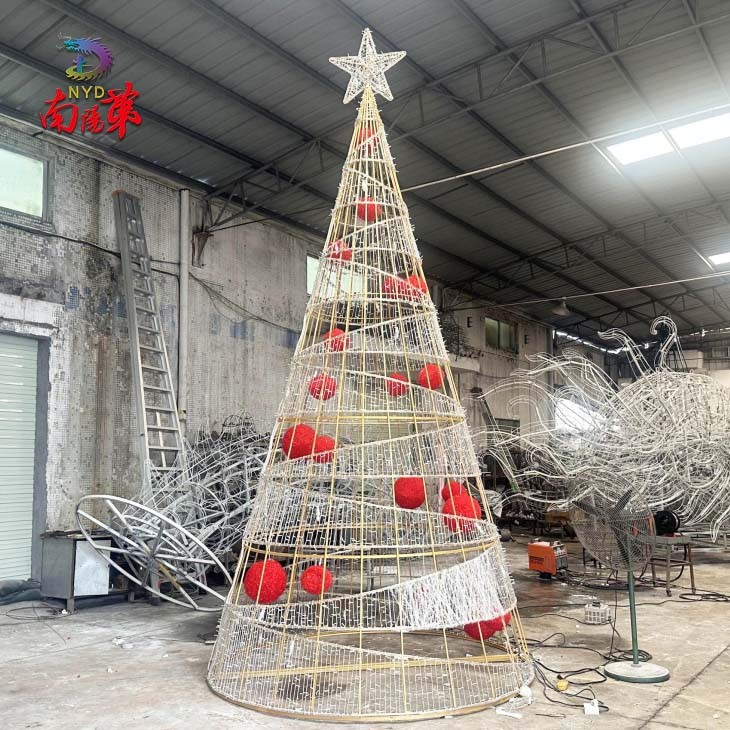
If you're looking to make a big statement this Christmas, our Large Decorated Led Christmas Trees are an excellent choice. Despite their size and the number of lights, they are still energy - efficient thanks to the LED technology. These trees are pre - decorated and come with a variety of lighting effects, making them a hassle - free and energy - conscious option for your holiday decor.
Conclusion
In conclusion, LED Christmas trees do not consume a lot of electricity. Their energy - efficient design, long lifespan, and cost - effectiveness make them a smart choice for both your wallet and the environment. Whether you're looking for a small tabletop tree or a large, fully decorated centerpiece, LED Christmas trees offer a festive and energy - conscious solution.
If you're interested in purchasing LED Christmas trees for your home, business, or event, I encourage you to get in touch for a procurement discussion. We offer a wide range of LED Christmas trees in various sizes, styles, and colors to meet your specific needs. Let's work together to make this Christmas season bright, beautiful, and energy - efficient!
References
- "Energy - Efficient Lighting Guide" by the U.S. Department of Energy
- "LED Lighting Basics" by the Illuminating Engineering Society
- "Christmas Lighting Energy Consumption" studies from independent energy research institutions