

When the holiday season approaches, large outdoor lighted reindeer have become a staple for many homeowners looking to adorn their yards with festive cheer. As a supplier of these magnificent decorations, I often receive inquiries about whether these large outdoor lighted reindeer can be left outside in winter. In this blog post, I'll delve into this question, exploring the factors to consider and providing guidance based on scientific and practical knowledge.
Understanding the Materials and Construction
The first step in determining whether large outdoor lighted reindeer can withstand winter conditions is to understand the materials used in their construction. Most of the high - quality large outdoor lighted reindeer we supply are made from durable materials such as weather - resistant plastics, metals, and LED lights.
Plastic components are commonly used for the body of the reindeer. High - density polyethylene (HDPE) and polypropylene are popular choices because they are lightweight, yet strong and resistant to cracking and fading. Metals, like galvanized steel or aluminum, are used for the frames to provide stability. Galvanized steel is coated with a layer of zinc, which acts as a barrier against rust and corrosion.
LED lights, which are used to illuminate the reindeer, are known for their energy efficiency and long lifespan. They also generate less heat compared to traditional incandescent bulbs, reducing the risk of damage due to thermal expansion and contraction in cold weather.
Assessing Winter Weather Conditions
Winter weather can vary greatly depending on the geographical location. In some areas, winters are mild with occasional frost and light snow, while in others, they can be harsh with extreme cold, heavy snowfall, and strong winds.

Temperature
Extremely low temperatures can have a significant impact on the materials of the outdoor lighted reindeer. Plastics can become brittle in cold weather, making them more prone to cracking if they are subjected to any physical stress, such as being hit by a snow shovel or heavy snow. However, most high - quality plastics used in our products are formulated to remain flexible even at low temperatures.
LED lights are generally more tolerant of cold temperatures than incandescent bulbs. They can operate efficiently in a wide range of temperatures, from well below freezing to relatively warm conditions. But it's important to note that very cold temperatures can slightly reduce the brightness of the LEDs, although this effect is usually temporary.
Moisture
Snow and ice are common winter hazards. If the reindeer are left outside in snowy conditions, the accumulation of snow can put extra weight on the structure. This is particularly a concern for the frames and any delicate parts of the reindeer. Excessive moisture can also lead to rusting of metal components if they are not properly protected.
Rain and sleet can also cause problems. Water can seep into electrical connections, potentially causing short - circuits. To prevent this, our outdoor lighted reindeer are designed with waterproof or water - resistant electrical components. The wiring is usually insulated, and the connections are sealed to keep water out.
Wind
Strong winds can pose a threat to the stability of the large outdoor lighted reindeer. High - velocity winds can knock the reindeer over, causing damage to the structure and the lights. To mitigate this risk, our reindeer are designed with a wide base and a sturdy frame. In addition, we often provide stakes or anchors that can be used to secure the reindeer to the ground.
Precautions and Maintenance
Even if the large outdoor lighted reindeer are made of durable materials, it's still important to take some precautions to ensure their longevity during the winter months.
Installation
Proper installation is crucial. Make sure the reindeer are set up on a flat and stable surface. Use the provided stakes or anchors to secure them to the ground, especially in areas prone to strong winds. This will prevent the reindeer from being blown over and damaged.
Regular Inspections
Regularly inspect the reindeer throughout the winter. Check for any signs of damage, such as cracked plastics, rust on metal parts, or loose electrical connections. If you notice any issues, address them promptly to prevent further damage.
Snow and Ice Removal
If a significant amount of snow accumulates on the reindeer, gently remove it using a soft brush or a broom. Avoid using sharp objects that could scratch or damage the materials. If ice forms on the lights or other components, do not try to chip it off forcefully. Instead, wait for it to melt naturally.
Other Festive Options
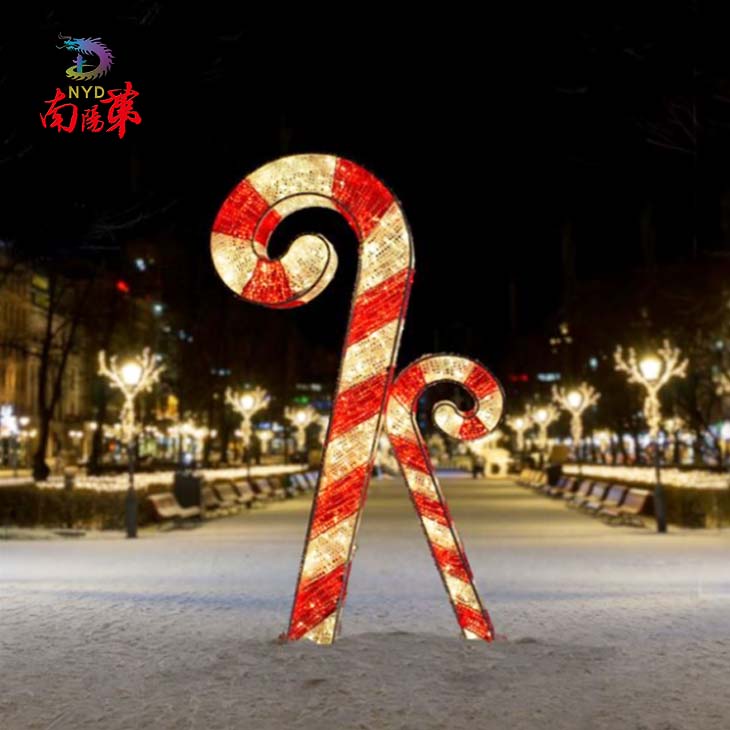
In addition to our large outdoor lighted reindeer, we also offer a wide range of other outdoor Christmas decorations. For example, you might be interested in our 6 Foot Lighted Candy Canes, which add a sweet touch to your holiday display. Our Outdoor Christmas Angels Lights are another popular choice, bringing a sense of peace and serenity to your yard. And if you're looking for a more diverse range of 3D LED motif lights, check out our 3D Led Motif Light Christmas collection.
Conclusion
In general, large outdoor lighted reindeer can be left outside in winter, especially if they are made of high - quality materials and proper precautions are taken. Our products are designed to withstand a variety of winter conditions, but it's important to consider the specific weather in your area and take appropriate measures to protect them.
If you're interested in purchasing large outdoor lighted reindeer or any of our other outdoor Christmas decorations, we invite you to contact us for a purchase negotiation. Our team of experts is ready to assist you in selecting the perfect products for your holiday display.
References
- "Plastics in Cold Weather: Understanding the Effects of Temperature on Polymer Materials" - Journal of Polymer Science
- "LED Lighting: Performance and Reliability in Extreme Environments" - Lighting Research Center